Why WordPress Was Once Our Only Go-To, and Why That Has Changed
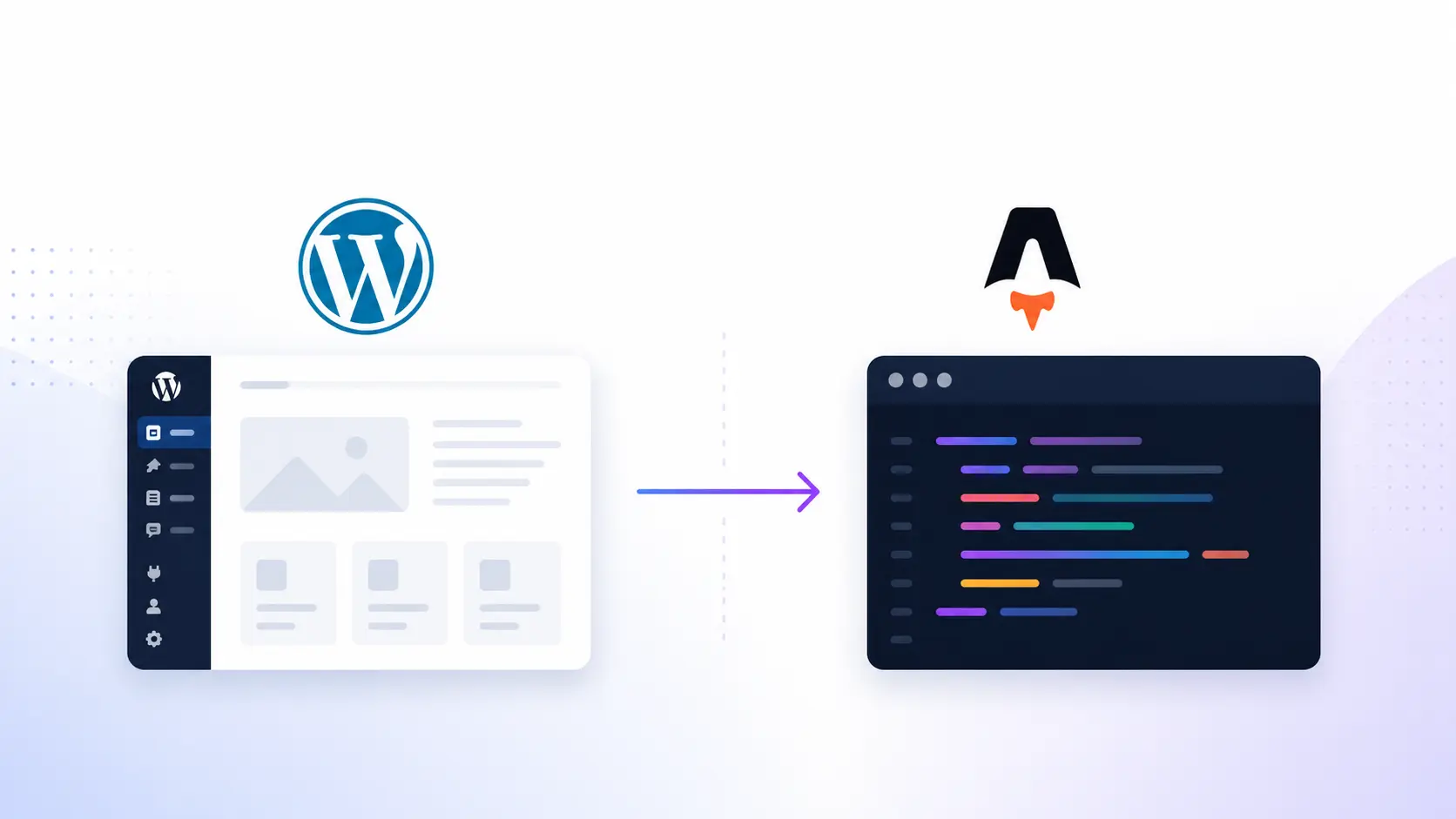
For a long time, WordPress was our number one platform for building websites. In many ways, it was more than our go-to. It was our only go-to.
Even when a client needed a simple one-page website, WordPress was often the fastest solution for us from a building perspective. We knew the system. We knew the themes, plugins, databases, hosting setups, admin areas, and all the backend pieces that came along with it.
At the time, that made sense. WordPress allowed us to move quickly, give clients a professional content management system, and hand over a website they could technically update on their own. The promise was that clients would log in, post updates, publish blog content, and keep their websites fresh. But the reality was usually different.
Why WordPress Became Our Default
WordPress earned its place because it was flexible, familiar, and efficient for our process. It gave us a reliable way to build a wide range of websites, but over time we started to see where it was not always the best fit:
- More Backend Than Some Projects Needed: A simple website did not always need a database, plugin stack, admin dashboard, and ongoing maintenance requirements.
- Clients Were Not Always Blogging: The idea of clients regularly logging in and publishing content sounded good, but most were too busy running their businesses to manage the website themselves.
- Performance Started to Matter More: As speed, SEO, and user experience became bigger priorities, lighter frameworks like Astro.js became a better option for certain websites.
What Has Changed
That does not mean we stopped using WordPress. Far from it. WordPress is still a strong platform when a project needs a true content management system, ongoing publishing, advanced functionality, or a flexible backend for a larger website.
What changed is that WordPress is no longer the automatic choice for every project. Today, we look more closely at what the website actually needs to accomplish. If a client needs a fast, modern, streamlined website that does not require a heavy backend, Astro.js can be a better fit. It allows us to build clean, high-performance websites with less unnecessary overhead.
We are not interested in using a platform just because it is familiar. We are interested in choosing the right tool for the project, whether that is WordPress, Astro.js, or another solution that best supports the business.
The goal is not to build the most complicated website. The goal is to build the website that works best for the client, the content, and the way the site will actually be used.